
Protecting kiwi in the Far North
Practical conservation, close to home
Predator control and habitat care
Community education
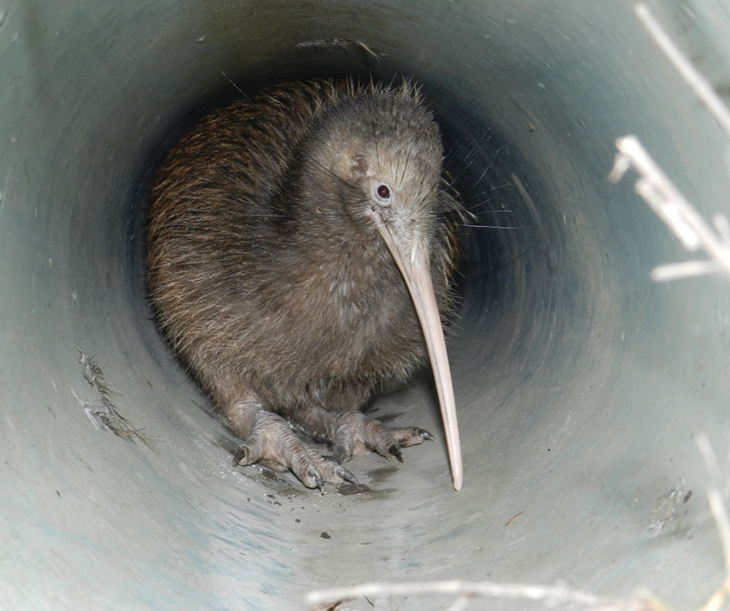
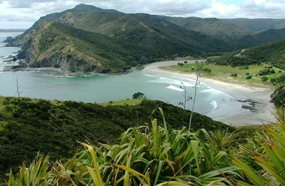
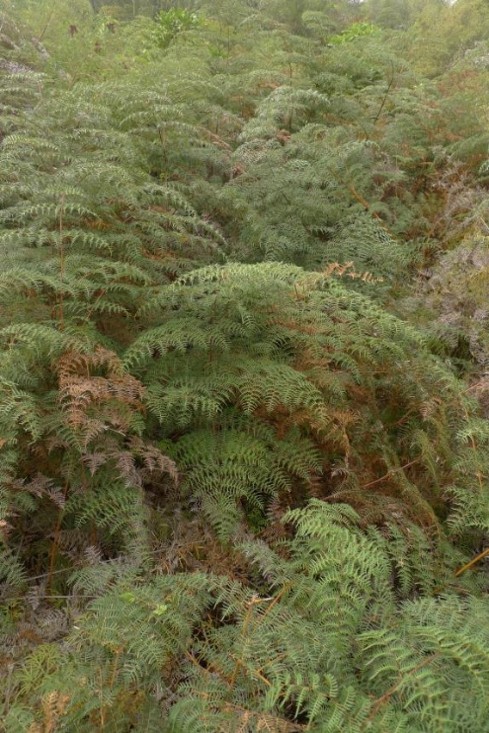
How we protect kiwi

Kiwi protection
Helping reduce the risks kiwi face wherever they live, including places close to homes.
Predator control
Controlling introduced predators and sharing practical advice about keeping dogs from harming kiwi.

Habitat care
Protecting and restoring the varied places where kiwi shelter, feed and nest.

Community education
Helping people recognise signs of kiwi and take sensible action on their own properties.
Kiwi rehabilitation
Supporting the recovery and rehabilitation of injured kiwi through our dedicated rehabilitation centre near Kerikeri.
Why this work matters
Kiwi are ground-dwelling and flightless. Introduced predators threaten them at every stage of life: stoats are a serious risk to chicks, while dogs can kill kiwi of any age. Habitat loss and dry conditions can also bring kiwi into unexpected places, including areas close to roads, homes and dogs.
Community conservation starts locally
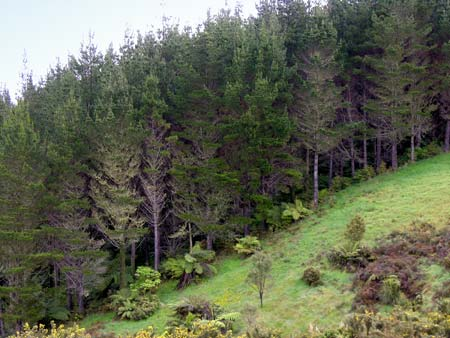
Kiwi may be living in native bush, farmland, pine forest, scrub, coastal areas or close to homes. Knowing the signs of kiwi, keeping dogs under control and protecting safe pockets of habitat are practical ways people can help.
Whether you own land, walk a dog, volunteer your time or support the work, there is a place for you in local kiwi protection.
Support kiwi protection
Donations and community support help Far North Kiwi Protection continue the conservation work described across this site.